Subfloor repair is the nebulous portion of flooring installations that people don't want to talk about or to spend money on. It's not obvious when it's finished and it's not a great photo in the same way, and adds expense to the budget of homeowners who have generally already set in mind to one particular amount. Yet, it's without question, the single major factor in determining whether the floor is functioning how it is supposed to or begins falling apart within the first year. Philadelphia's housing stock consisting of rowhomes and twins, older colonial houses across Bucks County, Delaware County ranches with crawlspaces is particularly susceptible to subfloor problems that aren't discovered until a brand new floor is put down and is revealed. Here's what every homeowner should know prior to installation.
1. The Subfloor is what your new Floor is Actually Attached to
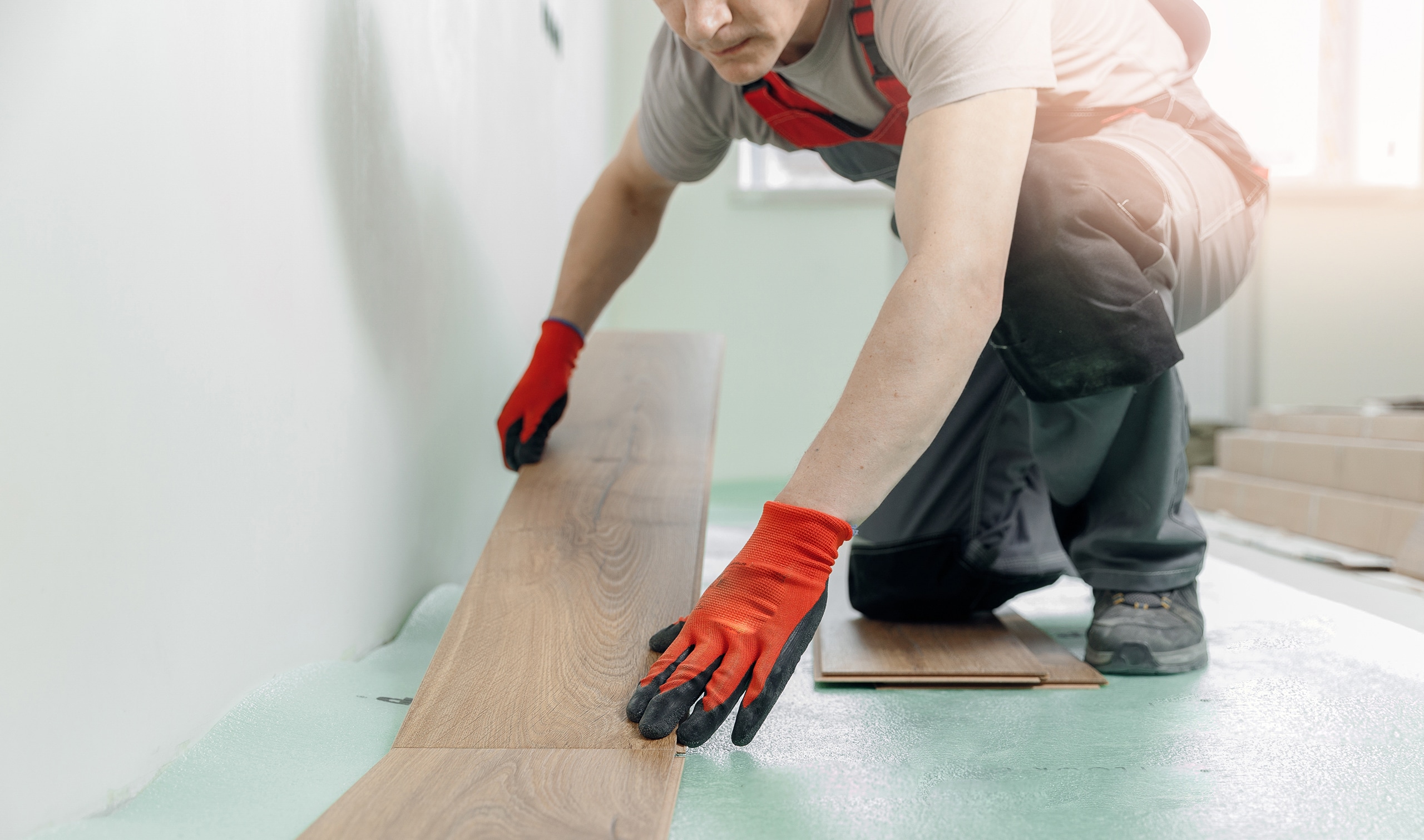
It's obvious but can get lost in the excitement when choosing materials. No matter if you're installing nail-down wood, glue-down LVP, floating laminate, or porcelain tile, the finished surface is only as stable as what's beneath it. Subfloors that have soft points, soft spots, damage, or a level difference doesn't become irrelevant once new flooring covers it- it telegraphs every problem upward, sometimes within months. Certified flooring installers review their subfloor prior other flooring for the exact reason.
2. Some older homes in Philadelphia have subfloor Situations that can be a surprise to contractors
Homes built before 1960 across Philadelphia, South Jersey, and in the surrounding counties generally use diagonal board subfloors instead than plywood -- A construction technique that was standard in the era but poses real issues for the installation of contemporary flooring. Board floors are more prone to move, and also include gaps within planks, and generally require an overlay of plywood before installation of hardwood or tiles is feasible. Contractors who do not mention the issue during their estimate haven't done their research properly or are planning to work around the issue to avoid problems later.
3. Soft Spots Are a Sign of War Sign, Not a Minor inconvenience
A soft spot in your subfloor -- an area that is slightly spongy when you walk upon it -usually indicates water damage, rot or delamination in the subfloor material itself. Installing flooring on the area isn't going to fix its problem, rather it conceals it temporarily as the damage persists under. For hardwood flooring installations in Philadelphia specifically, soft spots pose a real threat to the staple or nail hold that keeps the floor in place. Flooring that begins lifting, squeaking, or separating from the subfloor almost always will be traced back to a weak place that wasn't properly addressed prior installation.
4. The variation in level affects every flooring Type Differently
Most flooring manufacturers stipulate the maximum possible variation allowed for flatness of the subfloor -- typically 3/16 of an inch across 10 feet. Achieving this tolerance impacts different substances in different ways. Tile flooring isn't the most resistant to damage: high spots split tiles, and low spots break grout lines as well as an uneven subfloor beneath large-format ceramic is a guarantee of callbacks. LVP has a lower chance of exhibiting minor variations than many, but large drops or ridges will show in time. Hardwood is able to signal irregularity by sending hollow spots or movement. Subfloor leveling compounds or targeted grinding is the answer -- skipping them is an issue.
5. Moisture in the Subfloor is a distinct issue With Humidity In The House
The two issues are separate with separate solutions. Ambient indoor humidity affects the way wood flooring expands during the season. Subfloor moisture -that is, vapor transmission through concrete, wicking through old board subfloors or even residual dampness from a previous leak directly affects glue bonds, causing floating floorings to buckle, and encourages mold growth beneath finished flooring. A proper moisture reading prior flooring installation in Philadelphia homes should be a standard practice. In cases where this isn't completed the contractor has to assume instead of understanding what's going on.
6. Concrete Slabs should be tested for moisture Before Glue-Down Installation
In the United States, glue-down hardwood as well as LVP installation on concrete is common and is commonplace in Delaware County and South Jersey homes constructed with slabs-on-grade. What isn't usually communicated to homeowners is that concrete slabs emit moisture vapor regularly, and the quantity can be crucial for the durability of the adhesive. If a slab passes visual inspection might fail an acid test or a relative humidity probe test. Flooring adhesive applied over surfaces with high the emission of vapor will fail to form a connection -- typically within a year -- and the floor will begin to swell, shift or split.
7. The Subfloor Repair Costs Are Unachievable To Estimate without looking
This is the reason professionals who are trustworthy will not offer the price in a definitive way over the phone. Repairs to subfloors in Philadelphia can range from a basic patch of wood for $200 up to several dollars per square foot in an area of vast damage from moisture. The only way you can tell you're in the right place is to have a look at the subfloor and a an accurate assessment. The homeowners who force contractors to give an all-inclusive price before anyone has even inspected the subfloor will create the situation that either contractor creates a huge contingency or cuts corners when problems start to surface mid-job.
8. Tile Installation Is the Most Affirmative Test of Subfloor Integrity
Ceramic tile and porcelain have no flexibility. They impart stress directly onto the bond underneath them. A subfloor that exhibits meaningful flex will crack grout and tile regardless of which way the tile was installed. A standard requirement for installing tile for subfloors is to have a structure that is stiff enough to meet the standard of deflection that engineers have as L/360- meaning a 10-foot span is able to deflect only 1/3 inches under tension. Older Philadelphia homes typically fall short of this without reinforcement. The problems with bathroom tile installation in older houses are almost always due to subfloor stiffness in disguise.
9. Addressing the Subfloor Now Preserves the Refinishing Value later
One of hardwood flooring's primary advantages in the long run is its ability to sand and refinish it multiple at a time over the course of years. It's disadvantage is if the subfloor beneath it gets damaged. Refinishing and sanding floors at Philadelphia requires a stable proper-fastened floor- one that doesn't move, flex, or squeak under the sanding apparatus. Subfloor problems that were manageable upon installation turn into major problems when refinishing is attempted in the years following. Properly fixing the subfloor from the beginning will ensure that you are prepared for every service that the floor is ever going to need.
10. The Contractors Who Locate Subfloor Probleme Are the Ones That are Worth Hiring
It might feel counterintuitive -everyone doesn't want to hear that their work has just become more expensive prior to the time it began. But a flooring contractor that explores your area, pinpoints subfloor issues, and includes repair in their scope is doing precisely what an expert should do. If they don't mention it, provide a low quote and then start installing flooring over a subfloor that's damaged are the ones who generate the bad reviews a few months after. When you're getting flooring estimates in Philadelphia, the inspection thoroughness prior to submitting the quote tells you everything you need to know about the flooring installation itself will proceed. Check out the most popular
ceramic tile flooring Philadelphia for website examples including wood floor restoration Philadelphia, luxury vinyl flooring Philadelphia, nail down hardwood flooring Philadelphia, flooring installation Montgomery County PA, hardwood flooring Philadelphia, luxury vinyl flooring Philadelphia, bathroom tile installation Philadelphia, floor installation Delaware County PA, hardwood floor installation South Jersey, flooring installation Philadelphia and more.
Serving Bucks, Montgomery & Delaware County How To Get There
Homeowners living in the Philadelphia suburbs often assume that flooring contractors working in the city don't travel for instance, local counties are always the best option to find work within their respective areas. But the truth is much more nuanced. The best flooring installers serving the area are those who work with Philadelphia, Bucks County, Montgomery County, Delaware County and up to South Jersey because the demand across the metro is interconnected, and the housing stock is a good mix of in common to make regional knowledge truly valuable. What's the difference between these locations (housing types, construction eras, subfloor conditions and neighborhood aesthetics is something you should consider before you begin to pull names of contractors from any search results. It is also important to know that geography alone can be a reliable quality filter.
1. Each County Has Its Own Dominant Housing Profile
Bucks County skews toward older homes in towns such as Doylestown and Bristol alongside newer suburban construction further north. Montgomery County mixes mid-century colonials or ranches with well-off Main Line properties that have distinct expectations for renovation. Delaware County has dense inner-ring suburbs containing older rowhome-adjacent homes close to the city before transitioning into more sprawled out residential developments as you move west. These differences are relevant to flooring because the subfloor conditions, method of construction, and humidity profiles vary meaningfully by area and era of constructionAn experienced contractor in the area can identify these patterns without needing to be explained.
2. Subfloor conditions differ significantly across the States
Some older Delaware County homes close to the Philadelphia border -- Darby, Upper Darby, Lansdowne have a tendency to share the same diagonal board subfloor conditions and water issues typically found in urban rowhomes. Bucks County properties further from the urban core often have improved subfloor conditions for newer designs, but more serious moisture issues in older properties near those along the Delaware River. Some Montgomery County Main Line properties may contain original hardwood over subfloors that were not touched for 60 years. Flooring contractors who have worked across the three counties understands these patterns, and rates accordingly, rather than getting surprised halfway through the job.
3. Hardwood Flooring Expectations Run Up on the Main Line
The Montgomery County's Main Line corridor -- Bryn Mawr, Haverford, Wayne, Ardmore -- has a remodeling culture where hardwood flooring quality standards are specific. The homeowners of these areas typically ask for wide plank white oak as well as custom staining to cabinetry and millwork, and refinishing services that meet the high aesthetic standards. Flooring contractors who provide Montgomery County regularly understand that the bar for finish quality in these markets is much higher than in a standard suburban renovation, and they have their equipment and staff accordingly.
4. Bucks County's newest construction has Different Installation Conditions
Newer developments for residential construction with a focus on Bucks County -- particularly in Warminster, Horsham, and regions further north are typically open-plan with larger areas, slab-ongrade construction in some areas, and subfloors that are generally in better condition than earlier buildings in the county. LVP flooring installation is particularly designed for these newer Bucks County homes: the larger area is the benefit of LVP's cost efficiency, the open layouts are ideal for floating installations, and slab-grade ground floors are a great waterproof flooring necessity in most living areas.
5. Delaware County's Inner Suburbs Share Philadelphia's flooring challenges
Flooring contractors who understand Delaware County well will tell homeowners that homes located in Upper Darby, Drexel Hill and Havertown feature the same type of subfloor as Philadelphia proper -- board subfloors, a puddle of moisture from old foundations and hardwood that hasn't been touched since decades ago. Refinishing wood floors across these locales is in constant demand due to the fact that housing stock includes original hardwood that's been around enough time to be worth keeping, but has been ignored for so long as to appear as though it's no longer. To make the right decision, you need someone who is aware of the distinction between a flooring that requires being refinished or replacing.
6. South Jersey Serves as a Natural Extension to the Philadelphia Market
South Jersey -- Cherry Hill, Voorhees, Moorestown, Haddonfield and surrounding areas comprise the actual Philadelphia flooring market despite the fact that it's situated across the state line. Many flooring contractors in the Philadelphia area have licenses in Pennsylvania as well as New Jersey and service South Jersey frequently. Homeowners in South Jersey searching for flooring installers shouldn't restrict their search to New Jersey-only contractors -- the regional pool of experienced flooring professionals includes many Philadelphia-based and Pennsylvania-suburban companies who cross the river routinely.
7. Travel Fees and Service Area Policies are different -- ask at the beginning
Not every Philadelphia-based flooring contractor serves all three counties as not every contractor that is based in a county covers the full county. Certain contractors charge travel fees for jobs that go beyond a specific distance from their main location, while some incorporate it into their prices without disclosing it separately. When getting flooring estimates across Bucks, Montgomery, or Delaware County, ask specifically whether they include any additional service or travel costs. A contractor that is open regarding this upfront, is able to manage the business relationship in a professional manner. One who surfaces it during the contract negotiation isn't so great.
8. Permit requirements can differ by the municipality.
Pennsylvania registration of home improvement contractors is available across the state, however individual municipalities throughout Bucks, Montgomery, and Delaware County sometimes have their specific registration or permit requirements for contractors who work within their borders. It's less prevalent for flooring, but more so for construction work, but it's important to ensure with your contractor that they're aware of any specific requirements of your township or municipality. Certified flooring installers who operate regularly across the region will know the specific municipalities with additional requirements and factor them into their project planning without being prompted.
9. Regional Contractors create networks that Profit Customers
The flooring professional who's worked across Philadelphia and the surrounding counties for decades has supplier relationships, subcontractor networks, and professional referral networks that a younger or more specifically localized business won't. This is essential when a project reveals an issue with a subfloor that requires someone to carpenter the floor, when a specific hardwood species needs sourcing quickly, or when it is a tile job that requires the services of a waterproofing expert. The top flooring contractors in this region have nodes within a professional group, not operators working on their own -- and clients benefit from that connectivity in the event of unexpected issues during the project.
10. The most effective regional contractor is the one who is familiar with your Home's Specific Type
The county boundaries are less important than housing-related familiarity regarding flooring. A contractor who has done fifty refinishing jobs on hardwood prior to the war Delaware County colonials knows things about these floors that a contractor who primarily handles new Bucks County construction does not -and vice versa. When you're considering flooring contractors across the region, make sure to ask specifically about their experience working with homes that are of your style and the type of construction, not only their general service area. The answer will help you determine the suitability of their services for your job than any list of places they're willing to travel. View the most popular Take a look at the top custom hardwood staining Philadelphia for more recommendations including solid hardwood floor installation Philadelphia, LVP floor installation cost Philadelphia, laminate floor contractors Philadelphia, cheap flooring installation Philadelphia, LVP floor installation cost Philadelphia, floating hardwood floor installation Philadelphia, flooring contractors Bucks County, flooring installation cost Philadelphia, flooring contractors Bucks County, wood floor restoration Philadelphia and more.
:max_bytes(150000):strip_icc()/how-to-lay-laminate-flooring-1822250-08b-10f3572e10b14770b1e5da743da4226a.jpg)